
Night Nurses, Postpartum Doulas and Newborn Care Specialists — Oh My: A Charlotte, NC Guide to Postpartum Support
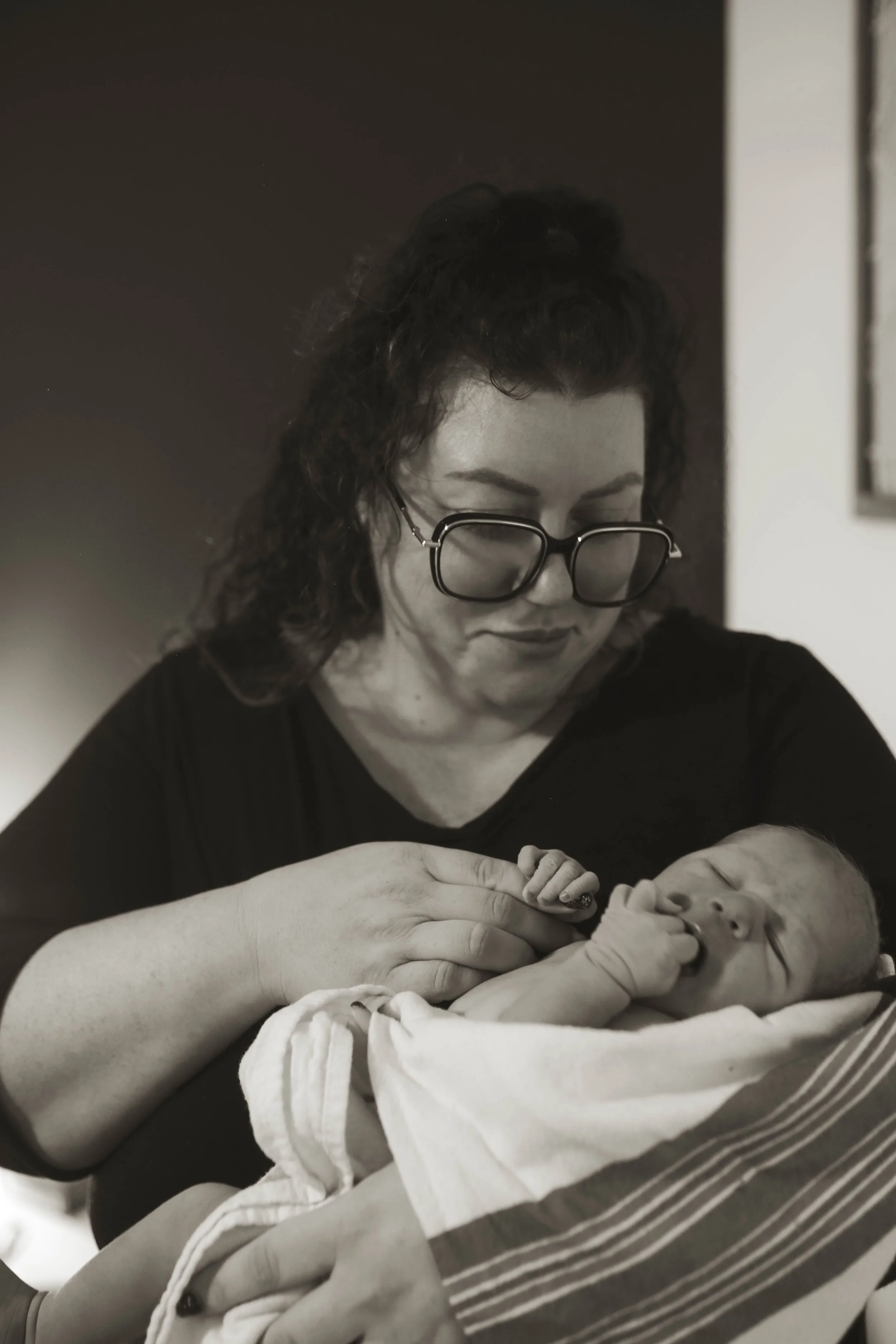
Choosing postpartum support should not feel confusing. With so many titles floating around like night nurse, postpartum doula and newborn care specialist, it is easy to wonder who does what and who you actually need. This guide breaks everything down in a way that is clear, educational and aligned with the Doula Differently approach. Warm, evidence based and centered on whole family care.
the Night Nurse, the newborn Care Specialist, And The postpartum Doula: Understanding the Differences
Choosing the right fit for postpartum support begins with understanding the differences between the three most commonly used roles. Although these titles are often used interchangeably, each one offers a very different type of care. Below is a clear, side by side breakdown of what each role includes, what it does not include and which families typically benefit the most.
Night Nurse:
A night nurse is a licensed nurse who provides clinically informed newborn care during nighttime hours. Although the term is sometimes used casually to describe general overnight support, true night nurses hold nursing degrees and rely on medical training to assess and guide nighttime care.
Night nurses typically provide:
Support premature or medically complex infants
Monitor feeding, breathing or other clinical needs
Assist with specialized feeding or health concerns
Provide overnight care grounded in medical assessment
Night nurses are ideal for families wanting medically trained nighttime support rather than emotional or whole household care.
What night nurses do not typically provide:
Emotional or mental health support for parents
Household tasks or family-centered care
Birth processing or guidance through postpartum adjustment
Newborn Care Specialist:
A Newborn Care Specialist, sometimes called a baby nurse although they are not nurses unless licensed, focuses exclusively on infant-centered care such as routines, sleep shaping and hands on newborn care.
Newborn Care Specialists typically provide:
Work nights or around the clock
Support feeding, burping, diapering and soothing
Establish sleep routines and predictable rhythms
Offer support for multiples, preemies or high-structure infant care
NCS care is ideal for families wanting structured newborn routines, consistency and hands on infant support rather than whole-family care.
What NCS care does not include:
Emotional support for parents
Birth processing or postpartum mental health support
Household management
Whole family education and recovery-focused care
Postpartum Doula:
A postpartum doula is a non-medical support professional trained to care for the entire household during the transition after birth. Through my ProDoula postpartum training, I learned the framework of attunement, which means deeply tuning into the emotional, physical and practical needs of each family in real time.
Postpartum doulas typically provide:
Support parental recovery, rest and emotional wellbeing
Assist with feeding, bonding and newborn communication
Help with daily household tasks to reduce overwhelm
Offer evidence based education, reassurance and family-centered guidance
Postpartum doulas are ideal for families wanting whole family care, emotional support, confident guidance and a smoother transition into life with a newborn.
What postpartum doulas do not provide:
Medical care or clinical assessments
Nursing tasks or medical decision making
Prescribed sleep training programs
What Postpartum Attunement Looks Like:
Attunement is a core concept I learned through my ProDoula training and it shaped the way I view postpartum work. Attunement means noticing needs before they escalate and offering support with intention and care.
Postpartum attunement may look like:
Preparing a warm meal or snack when a parent has not eaten
Caring for baby so the parent can shower or rest without rushing
Helping identify newborn cues such as hunger, overstimulation or fatigue
Sitting with a parent while they process their birth experience
Creating a nighttime flow that encourages deeper rest for everyone
Cleaning pump parts or bottles in non clinical ways
Supporting partners as they find confidence in their new role
Attunement is relational, grounding and uniquely tailored to each family. There is no script. It is support that grows and adapts moment to moment.
Beyond Baby Care: The Practical Side of a Postpartum Doula
Postpartum doulas often support families with daily tasks (although not every doula offers the same structure) These tasks may include:
Light housekeeping
Meal preparation
Pump and bottle cleaning
Laundry
Organizing feeding or sleep spaces
Overnight infant care so parents can rest
The heart of postpartum doula work is emotional and educational support, and research strongly supports the impact of this care.
Sleep and Emotional Health
Evidence shows that sleep disruption is nearly universal in the early postpartum period, and poor sleep can significantly impact mood, emotional regulation and mental health.
Research demonstrates that:
Many new parents experience major shifts in sleep patterns after birth, with sleep fragmentation being extremely common. Click here for more info!
Poor sleep quality, reduced total sleep time and frequent night waking are strongly linked to increased postpartum depression and anxiety symptoms. Click here for more info!
A recent longitudinal study shows a clear, ongoing two-way relationship between maternal sleep and maternal mood disorders from late pregnancy through two years postpartum. Click here for more info!
When a postpartum doula facilitates rest by caring for the baby overnight, assisting with feedings or soothing and creating predictable windows for restorative sleep, that support becomes a powerful buffer against emotional overwhelm and postpartum mood disorders.
Nourishment and Feeding
According to the Centers for Disease Control and Prevention, lactating parents generally need an additional 330 to 400 calories per day to support healthy milk production and postpartum recovery. Click here for more info!
Some guidelines suggest that energy needs may rise to 450 to 500 additional calories per day, especially for exclusive breastfeeding or chestfeeding. Click here for more info!
Nourishment is not only about calorie intake. Postpartum healing and lactation rely on nutrient-dense foods, hydration and balanced macronutrients. The Mayo Clinic emphasizes consistent, nutrient-rich eating patterns for those who are breastfeeding or chestfeeding. Check here for more info!
A postpartum doula plays a key role in this area by preparing meals, supporting hydration or simply reminding parents to eat and drink regularly, supporting both the parent’s health and the baby’s feeding goals.
Awake overnight Care and Traditional Overnight Care: how to choose support That feels right
Awake Overnight Care:
The doula stays fully awake throughout the entire shift
Provides active infant care and household support
Typically involves a higher hourly rate due to the intensity of the work
Traditional Overnight Care:
The doula rests lightly when the baby sleeps
Focuses on maximizing parental rest
Usually lower in cost than awake care
Both forms of care are valuable. They simply support families differently.
Postpartum Doula Pricing in Metropolitan Areas:
Across major US metropolitan areas, postpartum doula services typically range from: Twenty Five to Fifty Five dollars per hour.
Pricing varies based on:
Experience level
Location
Awake versus resting overnight care
Specialized support such as multiples or preemies
Many doulas also offer:
Sliding scale options
Packages or bundles
Superbills for insurance reimbursement
Charlotte NC: A Growing Postpartum Support Hub
Charlotte continues to grow its postpartum community. There are increasing numbers of private and nonprofit support groups, feeding circles and peer led postpartum gatherings. When you join the Doula Differently community, we help connect you to resources that align with your goals and needs.
Top Ten Questions to Ask Any Postpartum Doula:
What does your support typically include?
How do you structure day and overnight shifts?
What is your pricing model?
What training do you have?
How do you support feeding goals?
How do you involve support people or partners?
What is your philosophy on infant sleep?
How do you support parental rest and recovery?
What does a typical overnight look like?
How do you support emotional wellbeing in the postpartum period?
Pro Tips from Doula Differently: These are questions we strongly recommend asking during any interview process
Do you carry current liability insurance?
Are you trained or certified and through what organization?
How long ago did you take your training or receive your certification?
Do you have any additional trainings or certifications that complement your services?
Are you CPR and First Aid certified for adults, infants, and children?
Do you work with a backup doula or a team?
Do you provide superbills or any documentation for insurance reimbursement?
Add any other must ask questions you personally value and don’t forget to ask for a copy of any documentation you’d like to see!
Big News Coming Soon!
Doula Differently is growing to better serve families in Charlotte NC. In response to the rising need for high quality postpartum support, we are expanding our postpartum doula team with professionals who align with our values, our training standards and our commitment to attuned whole family care.
This expansion means increased availability, more flexible support options and more ways to access postpartum care that Charlotte families are actively searching for. The official announcement is coming soon. Stay close. You will not want to miss what is next for Doula Differently and for the future of postpartum support in our community.
Crisis Resources:
While here, at Doula Differently, we aren’t medical providers and we always recommend checking in with yours, It is important to know that support is available around the clock.
Postpartum Support International Helpline: 1 800 944 4773
Text Support by texting HELP to: 800 944 4773
Suicide and Crisis Lifeline: 988
If self screening feels like a step you would like to start with we recommend starting here:
The Edinburgh Postnatal Depression Scale (EPDS)
For more information online we recommend checking here:
